About Casas Goulart
Modern stay on Pico Island
About Us
Casas Goulart was born out of a family dream passed down from generation to generation. Amaro Silva, like his merchant father Manuel Inácio Silva, set up his own business in the 1930s, selling groceries, fabrics and building materials. He had a small cinema business and a modest boarding house where he provided accommodation for traveling salesmen who went around the island taking orders.
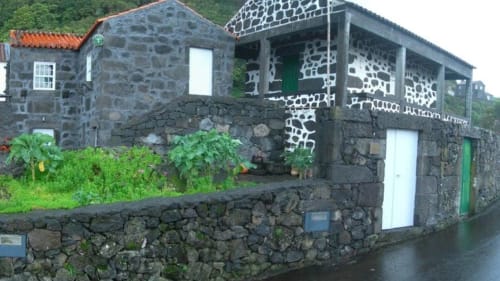
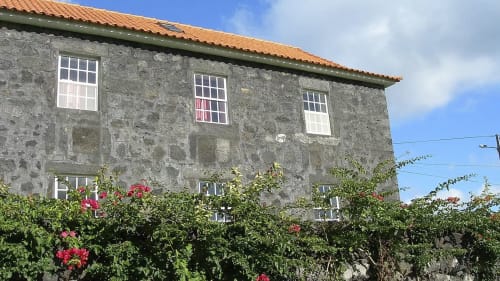
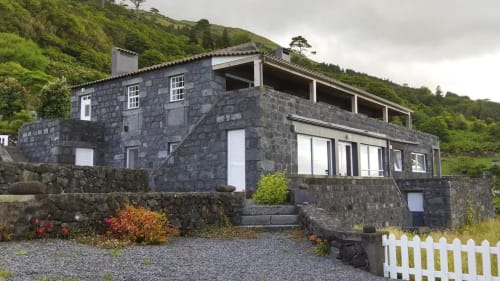
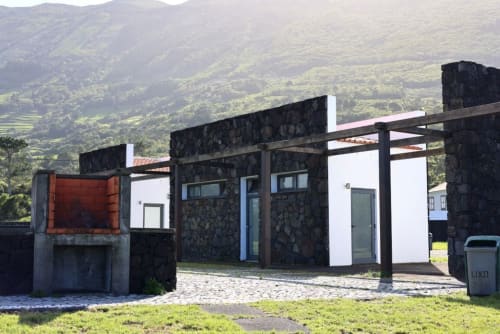
Maria Helena, Amaro Silva's daughter, had been involved with her father's business since she was a child and although at first she turned her life in another direction, the seed remained and later, with the support and entrepreneurial spirit of her husband José Leonardo, an unconditional lover of Pico's black stones and stone houses, she began to restore some of the family homes, creating a small family-run rural tourism business.
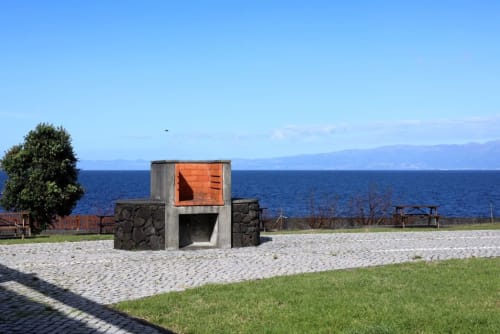
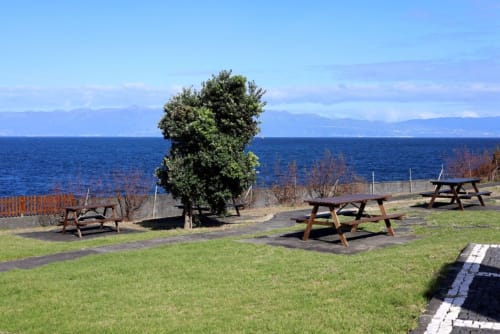
The pioneering company has grown and today has several accommodations with breathtaking views over the canal, where comfort and good taste combined with tradition and the art of hospitality aim to give customers who choose Casas Goulart a warm, familiar and traditional atmosphere.
It is now Mónica Goulart, who is passionate about her island and its traditions and is the daughter of Maria Helena and José Leonardo, who is continuing the family business.
Maria Helena, Amaro Silva's daughter, had been involved with her father's business since she was a child and although at first she turned her life in another direction, the seed remained and later, with the support and entrepreneurial spirit of her husband José Leonardo, an unconditional lover of Pico's black stones and stone houses, she began to restore some of the family homes, creating a small family-run rural tourism business.
The pioneering company has grown and today has several accommodations with breathtaking views over the canal, where comfort and good taste combined with tradition and the art of hospitality aim to give customers who choose Casas Goulart a warm, familiar and traditional atmosphere.
It is now Mónica Goulart, who is passionate about her island and its traditions and is the daughter of Maria Helena and José Leonardo, who is continuing the family business.
Santo Amaro
Pico Island is the youngest of the 9 islands in the Azores archipelago, with a total area of 447 square kilometers, where the majestic mountain that gives the island its name rises, with an altitude of 2351 meters and a population of 13,643 inhabitants spread over 3 municipalities.
At the far end of the municipality of São Roque do Pico is Santo Amaro, the smallest of the island's parishes. But compensating for its small size is the unparalleled beauty of its landscapes, which stretch from the green of the hillside to the blue of the sea, dotted with white houses with red roofs, reminiscent of a nativity scene tucked away in this corner of peace and tranquillity.
Santo Amaro has just 280 inhabitants, known for their friendliness and hospitality and for their active and enterprising spirit, and was the first place in Portugal to end illiteracy.
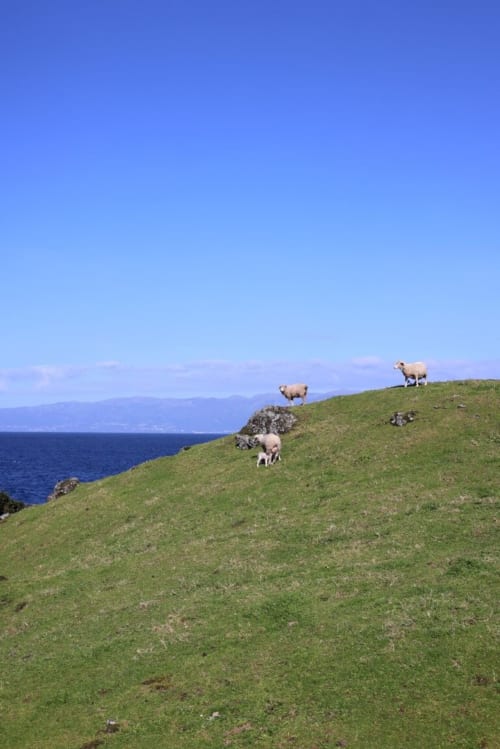
The inhabitants of this parish have always made a living from agriculture and livestock farming, but they soon saw the sea as a window of opportunity, resulting in great sailors who connected the islands of the Azores in cabotage boats or harpooned whales in boats with open mouths and oars in calloused hands in order to support their families. In 1984, whaling was banned and now this legacy has been transformed into respect for the giants of the sea. The boats are now regatta boats and the whales and dolphins that cross the Atlantic are friends that are often visited by the many whale watching companies.
This so-called Land of Boats was the birthplace of great shipbuilders who, with their art and ingenuity, took the name of this small parish all over the world. From here came illustrious names who, in different areas and at national and international level, make this place very proud.
The Santo Amaro Regional Handicraft School, which opened in the 1980s and was housed in a family home that had been refurbished in keeping with the old style, has over the years been a hub for the development, preservation and learning of the traditional art of sewing, lace and embroidery, fish scale work and fig kernels.
Today, in addition to all these activities, Santo Amaro is also a tourist center sought out by people from all over the world looking for peace, tranquillity and the pure nature that only a paradise like this, where the shearwaters sing serenades on starry nights, undisturbed by the absence of light pollution, can offer.
At the far end of the municipality of São Roque do Pico is Santo Amaro, the smallest of the island's parishes. But compensating for its small size is the unparalleled beauty of its landscapes, which stretch from the green of the hillside to the blue of the sea, dotted with white houses with red roofs, reminiscent of a nativity scene tucked away in this corner of peace and tranquillity.
Santo Amaro has just 280 inhabitants, known for their friendliness and hospitality and for their active and enterprising spirit, and was the first place in Portugal to end illiteracy.
The inhabitants of this parish have always made a living from agriculture and livestock farming, but they soon saw the sea as a window of opportunity, resulting in great sailors who connected the islands of the Azores in cabotage boats or harpooned whales in boats with open mouths and oars in calloused hands in order to support their families. In 1984, whaling was banned and now this legacy has been transformed into respect for the giants of the sea. The boats are now regatta boats and the whales and dolphins that cross the Atlantic are friends that are often visited by the many whale watching companies.
This so-called Land of Boats was the birthplace of great shipbuilders who, with their art and ingenuity, took the name of this small parish all over the world. From here came illustrious names who, in different areas and at national and international level, make this place very proud.
The Santo Amaro Regional Handicraft School, which opened in the 1980s and was housed in a family home that had been refurbished in keeping with the old style, has over the years been a hub for the development, preservation and learning of the traditional art of sewing, lace and embroidery, fish scale work and fig kernels.
Today, in addition to all these activities, Santo Amaro is also a tourist center sought out by people from all over the world looking for peace, tranquillity and the pure nature that only a paradise like this, where the shearwaters sing serenades on starry nights, undisturbed by the absence of light pollution, can offer.
If you have any questions, please don't hesitate to contact us. We'll get back to you as soon as possible.